Engaging Youth in Politics in India

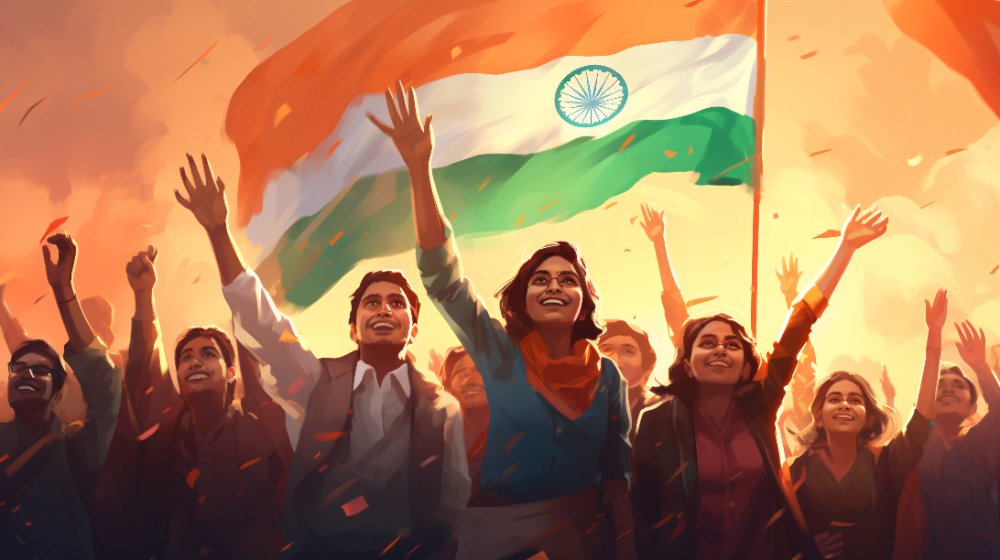
India, with its vast youth population, holds immense potential for democratic and political innovation. Engaging young people in politics is essential to ensure their active participation in shaping the nation’s future. Janni Social Welfare Foundation’s aim is also develop political sense in youth of India. Here are some key points on which the foundation is focusing to empower youth politically :
1. Political Education and Awareness
Incorporate Civic Education: Introduce political science and civic education at school and college levels to increase awareness about the Indian Constitution, governance, and political processes.
Workshops and Seminars: Conduct programs to educate youth on public policy, elections, and leadership skills.
Social Media Campaigns: Leverage platforms like Instagram, YouTube, and Twitter to spread political knowledge and encourage dialogue.
2. Encourage Participation in Governance
Youth Parliaments: Promote platforms like the National Youth Parliament Scheme for experiential learning in policymaking.
Internships in Government Bodies: Facilitate internships in legislative offices, municipal corporations, and public policy think tanks.
Volunteer Programs: Encourage youth to work on local issues like sanitation, education, and healthcare through NGOs and government initiatives.
3. Reform Political Structures
Lower Barriers to Entry: Simplify procedures for young people to contest elections at local, state, and national levels.
Youth Representation Quotas: Mandate a percentage of youth candidates in political parties and elections.
Leadership Programs: Train young leaders through leadership programs.
4. Foster Digital Engagement
Online Platforms: Create apps and websites for youth to share their opinions and suggestions on governance.
Gamification of Politics: Develop interactive tools to make learning about politics fun and engaging.
5. Promote Grassroots Movements
Support Local Leadership: Encourage youth to participate in Panchayati Raj Institutions and urban local bodies.
Community Projects: Involve youth in addressing local issues like water conservation, waste management, and women’s safety.
Recognition and Rewards: Highlight young achievers in politics and governance through awards and public acknowledgment.
6. Role of Educational Institutions
Model United Nations (MUN): Organize MUNs and debates to stimulate interest in global and local political issues.
Student Unions: Strengthen student unions and councils to promote leadership skills and political awareness.
Political Clubs: Establish clubs that focus on current affairs, policymaking, and activism.
7. Address Challenges to Youth Engagement
Combat Apathy: Highlight the impact of politics on daily life to counter indifference.
Eradicate Corruption: Foster trust in political systems by ensuring transparency and accountability.
Tackle Socioeconomic Barriers: Provide financial and logistical support to aspiring young leaders from underprivileged backgrounds.
8. Encourage Voting and Activism
Voter Education Drives: Use campaigns to inform young voters about their rights and the importance of voting.
Activism and Advocacy: Empower youth to advocate for issues they are passionate about, such as gender equality and environmental conservation.
Social Movements: Encourage participation in movements like climate action or anti-corruption drives.
9. Success Stories to Inspire Youth
Young Leaders in Politics: Highlight young politicians or other emerging leaders as role models.
Youth-Driven Movements: Showcase successful movements led by young people, such as the anti-corruption campaign.